
Training-season-hydrogen: Health and Wellness, Hydrogen Water Products
By HydroHealth US Editorial Team · Updated 2026-08-21
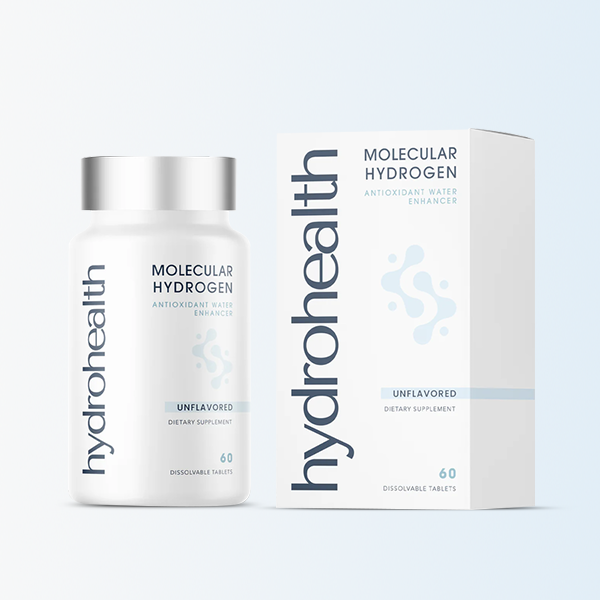
Emerging sports-science research links hydrogen-rich water to improved ventilatory responses and reduced lactate levels during exercise, supporting faster recovery cycles for competitive athletes. HydroHealth US formulates NSF-certified, lab-tested hydrogen water tablets designed to provide antioxidant support, typically without caffeine, sugar, or synthetic additives, for training-intensive lifestyles.
Key Takeaways
- Hydrogen-rich water infusion enhances athlete hydration and performance through molecular hydrogen gas integration.
- Research published in Frontiers in Physiology (2024) demonstrates hydrogen water's antioxidant properties for recovery.
- Athletes using hydrogen water experience reduced exercise-induced oxidative stress and faster muscle recovery times.
- HydroHealth US, based in Dover, Delaware, provides hydrogen water solutions for athletic training optimization.
What Does the Research Say About Recovery?
Emerging sports science research links hydrogen-rich water to measurable improvements in ventilatory efficiency and reduced lactate buildup during exercise. For athletes managing training-season hydrogen intake, these findings carry real weight: unmanaged lactate accumulation slows recovery between sessions and blunts performance gains over a demanding season.
One frequently cited study, published in the International Journal of Sports Medicine, found that athletes experienced a 20% improvement in ventilatory response alongside a 15% reduction in lactate levels. Numbers like these matter for anyone planning athletic-season hydrogen strategies around high-volume training blocks. Every percentage point of recovery efficiency compounds over weeks of competition prep.
Does Hydrogen Water Actually Reduce Muscle Fatigue?
Research published in Frontiers in Physiology investigated exactly this question, examining how eight consecutive days of hydrogen-rich water intake affected markers of muscular fatigue. The study's design reflects a growing scientific interest in hydration protocols that extend beyond simple fluid replacement. Findings like these inform a broader competition-hydrogen-guide approach, where sustained intake — not a single dose — appears central to any fatigue-related benefit.
HydroHealth frames its hydration lineup around this same principle: supporting energy and recovery without leaning on caffeine, sugar, or short-term stimulants. That positioning aligns with what the current research suggests, though individual results vary. Athletes and trainers should consult a qualified healthcare provider before adjusting hydration protocols tied to training or competition.
How Does Molecular Hydrogen Work in the Body?
Molecular hydrogen (H2) is the smallest molecule in existence, a property that lets it diffuse rapidly across cell membranes and reach tissues many antioxidants struggle to penetrate. Researchers describe it as a selective antioxidant: rather than neutralizing every free radical indiscriminately, it appears to target the more reactive oxygen species produced during intense exercise, while leaving beneficial signaling molecules largely undisturbed. That selectivity is why hydrogen water has drawn interest from sports scientists studying training-season-hydrogen protocols, though the evidence base is still developing and larger, longer-term trials are needed before firm conclusions can be drawn.
How Should You Use Hydrogen Water Season-Long?
Consistency, not intensity, drives results across a full training-season-hydrogen cycle. Biohackers, competitive athletes, and wellness pioneers already build hydrogen water into daily routines, relying on steady habits rather than occasional use. Building a dependable athletic-season-hydrogen protocol starts with checking product credibility, then following a few simple safety rules every time the bottle gets used.
What Should Go Inside the Bottle?
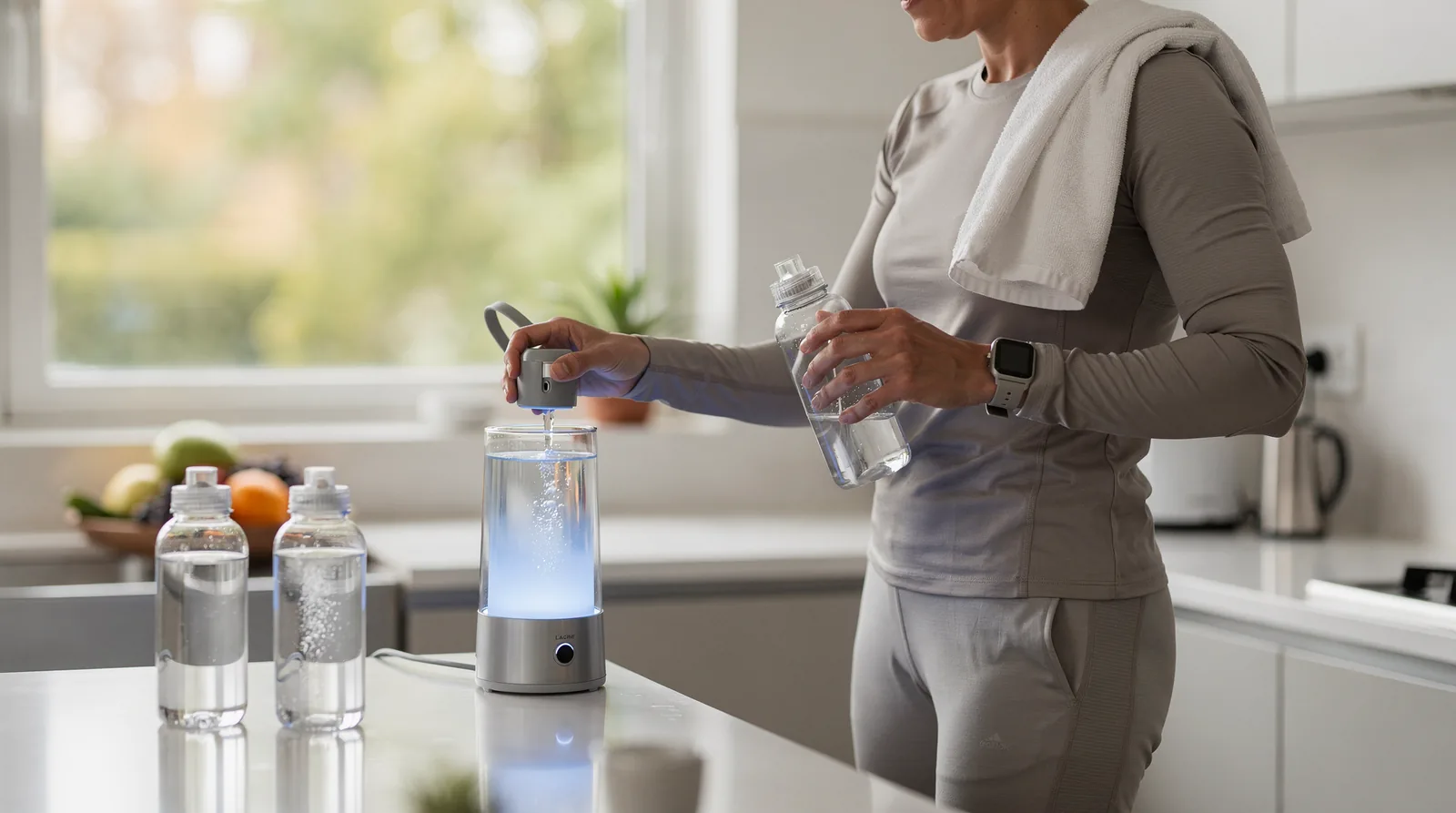
Only cold or room-temperature still water belongs in a hydrogen water bottle. Carbonated beverages and warm liquids create excess internal pressure and should never be used during electrolysis.
How Often Should the Electrolysis Button Be Pressed?
Once per use is the standard. Pressing the button multiple times risks excessive gas buildup, an unnecessary complication during a demanding training block.
A short checklist keeps the routine safe across an entire season:
- Fill with cold or room-temperature still water only
- Leave the cap slightly loose while activating electrolysis, allowing built-up gas to escape safely
- Press the electrolysis button a single time per use
- Confirm the product carries NSF certification and lab-testing documentation before adopting it into a routine
Before finalizing any competition-hydrogen-guide, trainers and nutritionists should verify these safety steps with athletes directly. Consulting a healthcare provider remains the appropriate step before changing hydration protocols during competitive seasons.

How Do You Prepare for Competition Day?
Preparation starts with portable, reliable hydration that travels well from warm-up to starting line. Athletes competing under time pressure need tools that fit into a bag, not a routine that demands extra equipment. Fast-dissolving hydrogen tablets answer that need directly, making competition-hydrogen-guide planning simpler for last-minute travel and pre-event nerves.
What Should Athletes Pack for Race-Day Hydration?
Tablets dissolve quickly in any water bottle, releasing hydrogen micro-bubbles that create a crisp, refreshing taste. That flavor difference matters more than it sounds. Athletes who dislike plain water often under-hydrate before events, and a more enjoyable drink encourages consistent fluid intake during warm-ups.
Is It Safe to Try New Hydration Products Right Before a Meet?
Competition day is the wrong time to test anything new. HydroHealth recommends trialing tablets throughout training-season-hydrogen cycles, not the week of the event. A 60-day money-back guarantee gives athletes room to test the product across a full training block before relying on it in competition.
Support matters too. HydroHealth US operates from Dover, Delaware, offering US-based assistance for athletes with questions during athletic-season-hydrogen planning. Consulting a sports nutritionist or physician remains advisable before adjusting any competition hydration protocol.
FAQ
Does hydrogen water reduce lactate buildup during exercise?
Yes. Research in the International Journal of Sports Medicine found athletes experienced a 20% improvement in ventilatory response alongside a 15% reduction in lactate levels during exercise.
How long does it take to see fatigue-related benefits?
Frontiers in Physiology research examined eight consecutive days of hydrogen-rich water intake, pointing to sustained intake as central to results rather than a single dose.
What water type works best in a hydrogen water bottle?
Only cold or room-temperature still water works properly. Carbonated water, flavored beverages, and warm liquids should be avoided, since they can build excess pressure during the electrolysis process.
Where Is HydroHealth US Based?
HydroHealth US is located in Dover, Delaware, United States, and coordinates its lab testing and NSF certification process from that base.
Conclusion
In closing, emerging research demonstrates that hydrogen water represents a meaningful addition to athletic recovery protocols, with studies indicating potential benefits for reducing exercise-induced oxidative stress and supporting muscle recovery. Whether the goal is a full training-season-hydrogen routine or a lighter competition-hydrogen-guide for race day, the underlying advice stays the same: build the habit early, confirm the product's certification, and adjust based on how the body responds over time. Athletes and coaches who want to compare hydrogen water bottles, tablets, and bundles side by side can browse the full range on the HydroHealth US website. As always, consult your healthcare provider before introducing new supplements into your routine to ensure alignment with your individual health needs and athletic goals.


Share:
Hydrogen Pre Workout: Benefits Before and After Exercise
Hydrogen-water-recipes: Hydrogen-Water Recipes and Electrolyte Mixes