
Travel-with-hydrogen-bottle: Travel With Hydrogen in United States
By HydroHealth US Editorial Team · Updated 2026-07-24
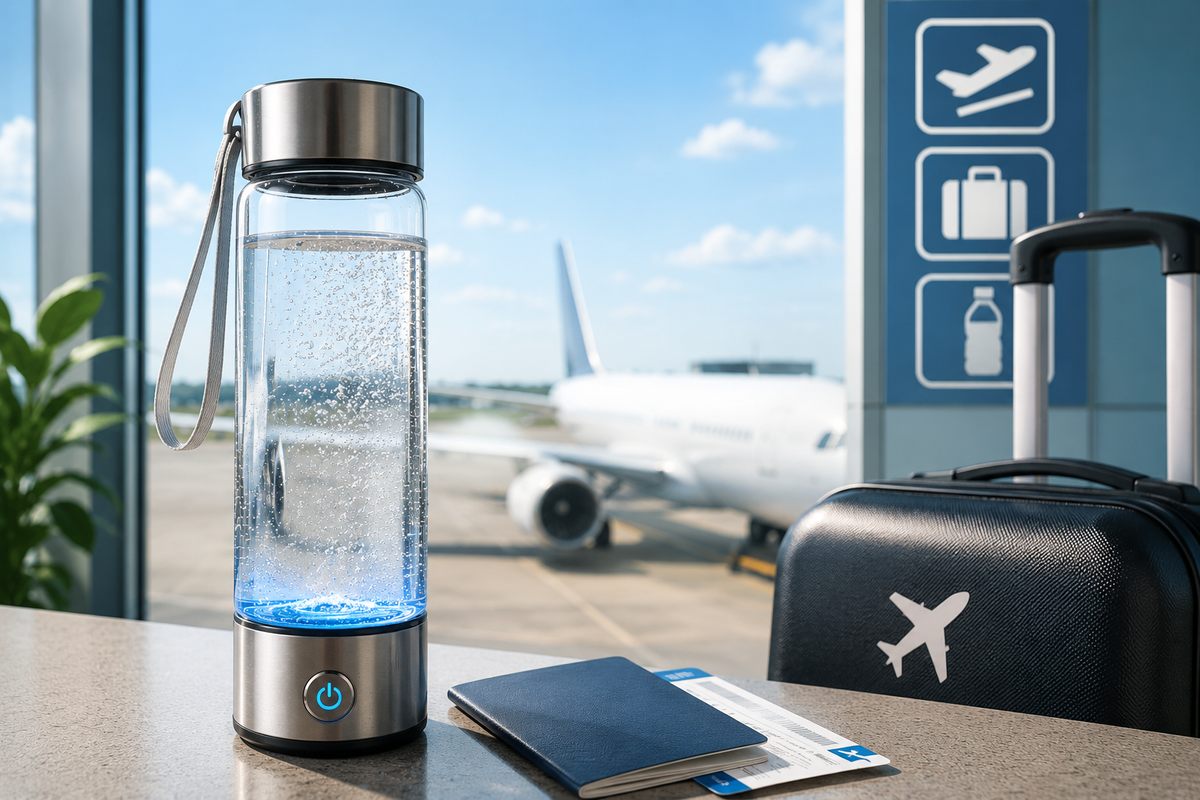
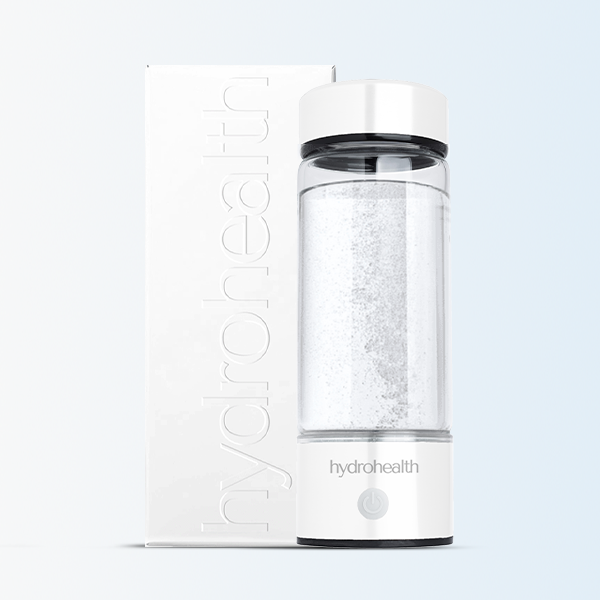
Portable electronic devices classification covers hydrogen water bottles, which airlines generally permit in carry-on baggage when battery capacity stays within 100 watt-hours. Devices like the Evolved H2O model carry just 7 watt-hours, keeping them well within TSA-acceptable limits. Bottles must be empty at security.
Hydrogen water bottles qualify as portable electronic devices under TSA rules, permitted in carry-on baggage across United States airports when battery capacity stays under 100 watt-hours. HydroHealth US bottles must be emptied before screening. TSA's Liquids, Aerosols, and Gels Rule caps carry-on liquids at 3.4 ounces. Checked baggage allows larger volumes without that restriction.
Key Takeaways
- TSA classifies hydrogen water bottles as Portable Electronic Devices due to lithium-ion batteries inside them.
- Carry-on hydrogen water bottles must contain batteries under 100 watt-hours per TSA regulations.
- The 3.4-ounce liquid rule applies to any water or liquid contents in the bottle.
- Most airlines permit hydrogen water bottles in carry-on baggage when battery specifications meet requirements.
What Should You Prepare Before You Fly?
Preparation starts with emptying the bottle before reaching security, since federal rules govern how travelers move liquids through checkpoints nationwide. Airports across the United States enforce the same standard: TSA hydrogen bottle screening, sometimes called a tsa-hydrogen-bottle check, treats any full container as a liquid, and liquids face strict limits. Following a short sequence of steps avoids delays at airport checkpoints from Los Angeles to Newark.
- Drain the bottle completely before entering the security line.
- Pack backup liquids, like flavor drops or minerals, only in travel-sized containers of 3.4 ounces or less.
- Move any larger liquid containers into checked baggage, since oversized containers cannot pass through the checkpoint.
- Keep the bottle accessible in a carry-on for quick inspection if requested.
- Plan to refill after clearing security, using airport water stations throughout U.S. terminals.
Is a hydrogen water bottle allowed on a plane?
Yes — when travelers want to take-hydrogen-on-plane, a hydrogen water bottle qualifies as a portable electronic device because of its internal components and lithium-ion battery. This classification generally permits travel with a hydrogen bottle in carry-on luggage, separate from standard liquid restrictions. Long as the bottle is empty at the checkpoint.
Can travelers bring hydrogen tablets instead?
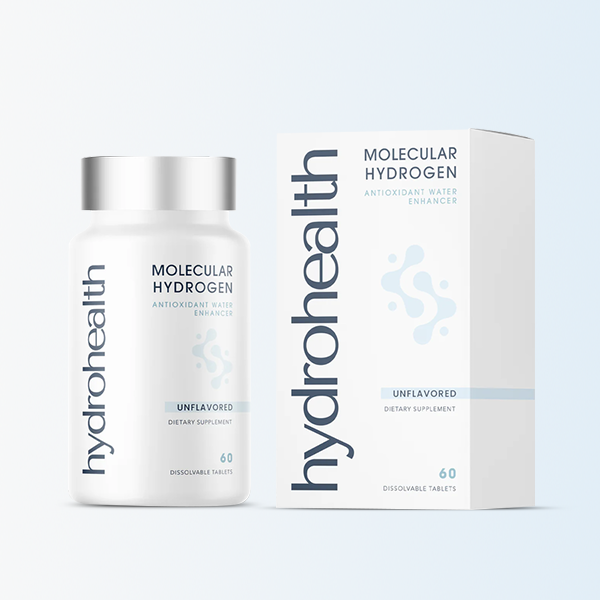
Hydrogen tablets avoid liquid restrictions entirely, since they travel as solids until dissolved in water after security. This makes them a practical backup for maintaining a hydration routine across connecting flights.
How Do You Get Through Airport Security?
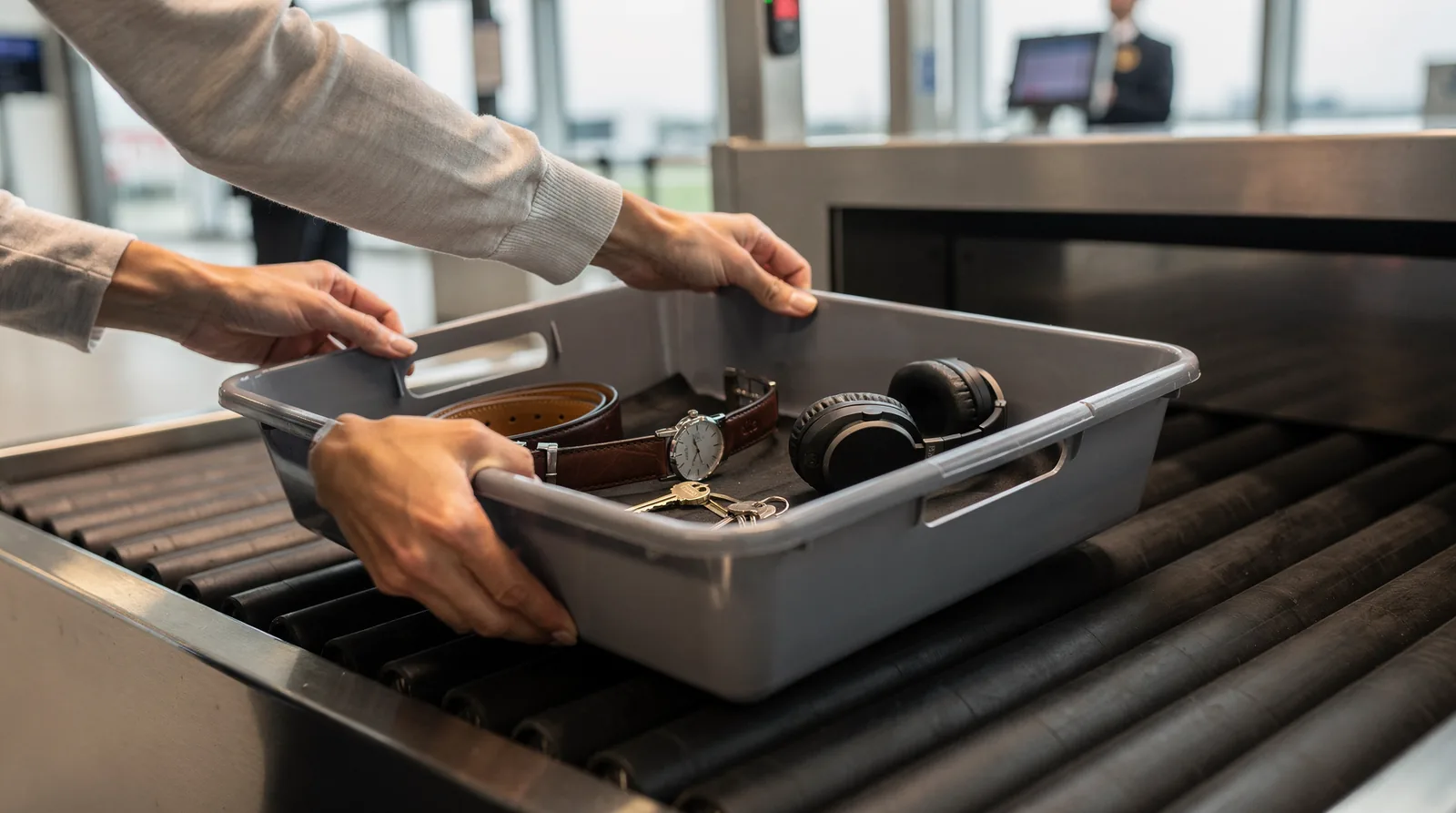
Airport screening for a hydrogen water bottle follows a clear sequence at every U.S. checkpoint, from Los Angeles International to Chicago O'Hare. Skipping a step risks delays, extra bag checks, or a confiscated bottle. Travelers preparing for travel with a hydrogen bottle should follow these steps in order.
- Empty the bottle completely before reaching the checkpoint. Any remaining liquid violates the standard TSA hydrogen bottle liquid restriction and forces additional screening.
- Remove the bottle from carry-on bags and place it in the screening tray on its own. Officers scan hydration devices more efficiently when they're visible and unobstructed.
- Expect closer inspection if the bottle has an insulated or opaque body. Solid, non-transparent materials common in hydrogen bottle design sometimes trigger manual checks.
- Cooperate if the bottle alarms during scanning, even after emptying it. Residual moisture inside the chamber can still set off sensors built to catch liquids, gels, and aerosols.
- Keep the device powered off and the cap resting loosely, not tightened, if asked to demonstrate the unit. HydroHealth US instructs users to press the electrolysis button only once per activation and to avoid overtightening the cap, a detail worth remembering if reactivating the bottle after landing.
Does battery size affect airport screening for a hydrogen water bottle?
Battery capacity matters for carry-on approval, not necessarily for the security lane itself. Most U.S. airlines accept battery-powered hydrogen bottles in carry-on luggage when the battery falls within the standard 100 watt-hour limit. Screening officers focus primarily on liquid content and bottle opacity rather than battery specifications during the physical inspection.
Can a hydrogen water bottle still get flagged after being emptied?
Yes. Trace moisture inside the chamber sometimes triggers alarms during scanning, prompting a secondary check. Officers may swab the interior or request a quick demonstration before clearing the device for the flight.
How Do You Refill and Troubleshoot After Landing?
Refilling starts the moment a traveler clears the security checkpoint at any U.S. airport. Terminal refill stations, common across major hubs nationwide, offer the quickest option, and flight attendants can supply water once boarding is complete. Cabin air runs dry. A flight can cost the body up to 1.5 liters in fluid loss, leading to fatigue and headaches. That makes reactivating hydrogen production soon after touchdown a smart move for anyone managing a travel-with-hydrogen-bottle routine across time zones.
What Water Should Travelers Use to Refill?
Only cold or room-temperature still water belongs in a HydroHealth US bottle. Sparkling, carbonated, warm, or hot water from an airport café risks excess gas buildup and pressure issues. Terminal fountains and bottled still water both work safely.
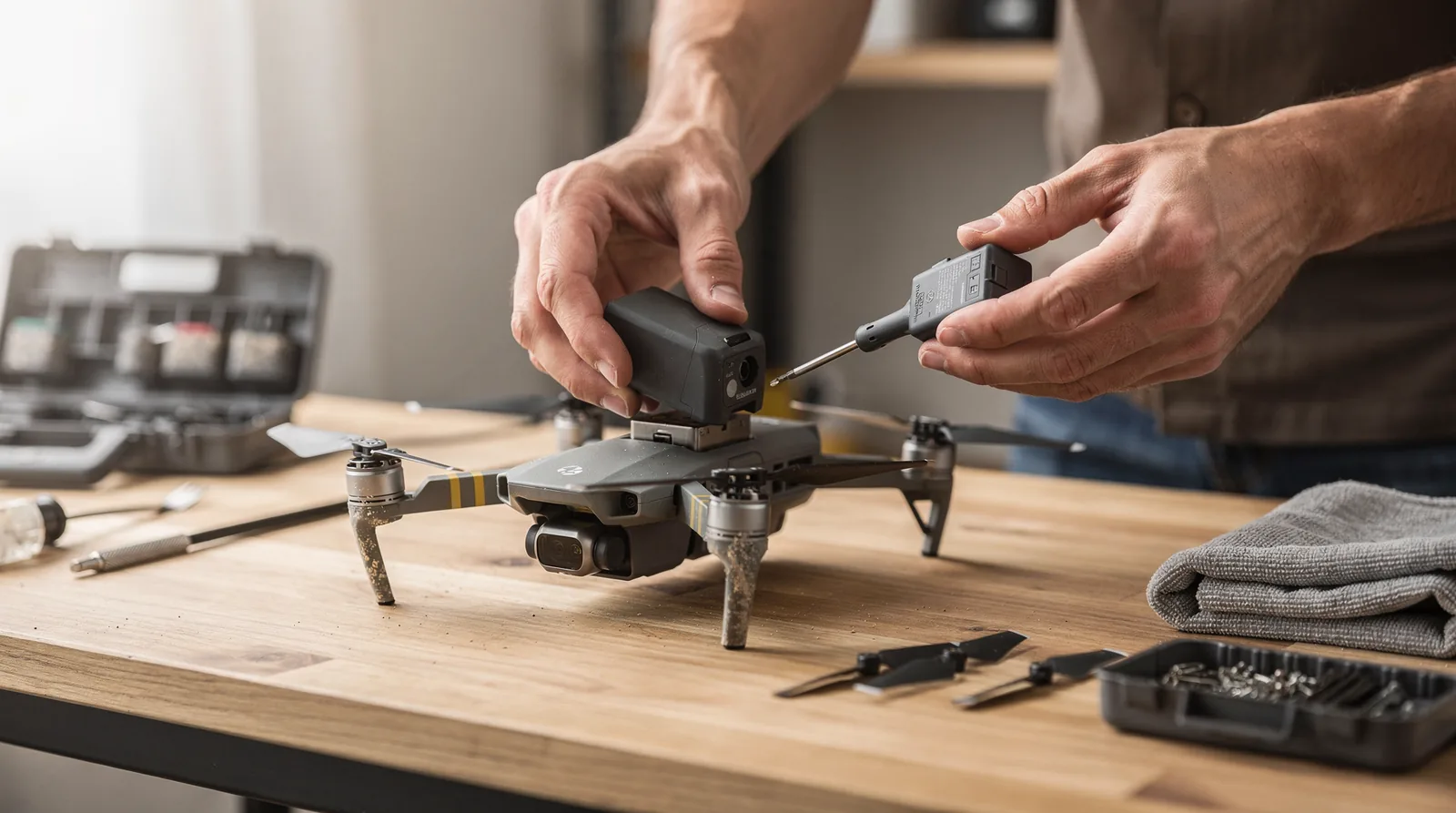
Why Won't the Bottle Activate After Refilling?
- Check that the cap sits slightly loose, allowing pressure to escape during hydrogen generation.
- Confirm the water is still, not carbonated or hot.
- Restart the cycle; persistent issues warrant contacting customer support.
Traveling with a hydrogen water bottle requires careful attention to TSA regulations and airline policies. By understanding the distinction between empty bottles and those containing liquids. By communicating directly with your airline before departure, you can navigate these requirements confidently. HydroHealth US recommends verifying current guidelines with your specific carrier, as regulations evolve and individual airlines maintain their own protocols. With proper preparation, you can maintain your hydration wellness routine throughout your journey.
FAQ
Can you bring a hydrogen water bottle on a plane?
TSA classifies hydrogen water bottles as portable electronic devices due to their lithium-ion batteries. Airlines permit them in carry-on baggage when battery capacity stays under 100 watt-hours, provided the bottle is empty at security.
Does the bottle need to be empty at security?
Yes, TSA's Liquids, Aerosols, and Gels Rule caps carry-on liquids at 3.4 ounces, so travelers must drain the bottle completely before reaching the checkpoint. Checked baggage allows larger liquid volumes without this restriction.
Are hydrogen tablets a good alternative for flying?
Hydrogen tablets avoid liquid restrictions entirely since they travel as solids until dissolved in water after security.


Share:
Seasonal hydration summer: Hydrogen Water for Seasonal Hydration
Hydrogen-Water FAQ: Uses, Dosing & Benefits